
Quick answer
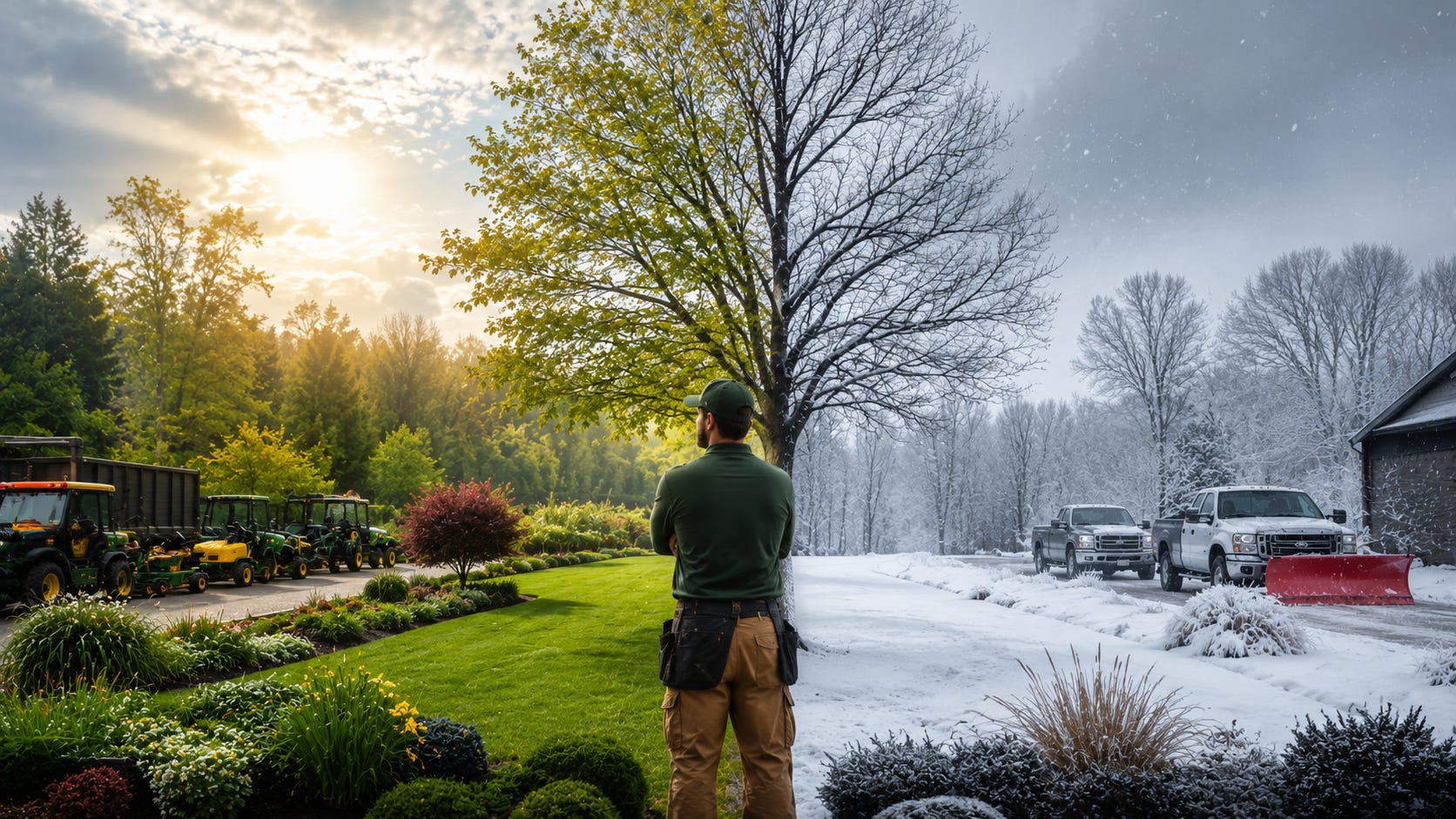
Lawn care businesses can stabilize cash flow by moving beyond mowing and building recurring year-round property management contracts, seasonal maintenance services, and higher-ticket hardscaping work. That mix turns the slow season into a revenue engine instead of a cash-flow crisis.
Why it matters
If the business depends only on weekly cuts, winter exposes the weak point in the model. A steadier offer stack improves payroll stability, protects owner income, and makes the company easier to scale.
In this breakdown
The reality check: Seasonal demand creates predictable revenue gaps.
The utility framework: Recurring contracts smooth income across the year.
The tactical output: Off-season services and project work keep the sales pipeline alive.
Reality check
Most lawn care companies are built around a seasonal service that rises and falls with weather. That works fine during peak months, but it creates pressure when growth slows, crews are underutilized, and the phone stops ringing as often.
The issue is not that the business lacks demand. The issue is that the demand is concentrated in too few months.
The contract stack
1. Core recurring care
The first fix is to stop selling only individual mow visits and start selling recurring property management. That shifts the business from one-time labor to predictable monthly revenue.
What to include:
Mowing during active season.
Trimming and edging.
Bed maintenance.
Cleanup and debris removal.
Pruning.
Basic storm response.
Why it matters:
Recurring contracts make revenue more predictable and reduce the need to re-sell the same client every few weeks.
Done criteria:
The customer pays on a schedule, not only when a specific task is completed.
2. Off-season services
The next layer is work that remains relevant when mowing slows or stops. This keeps crews busy and gives customers a reason to stay active on contract.
What to include:
Leaf removal.
Gutter clearing.
Fall cleanup.
Winter prep.
Snow readiness.
Dormant-season property care.
Why it matters:
These services fill the gap between peak growing seasons and help protect monthly cash flow.
Done criteria:
The business has named offers for fall and winter, not just “extra work when we can get it.”
3. High-ticket project work
The final layer is project-based work that raises average revenue per client. Hardscaping and landscape upgrades can produce bigger jobs that are easier to sell during slower months.
What to include:
Patios.
Walkways.
Retaining walls.
Drainage fixes.
Landscape redesign.
Bed reconstruction.
Why it matters:
Project work creates larger invoices and gives the company a second revenue stream beyond maintenance.
Done criteria:
At least part of the pipeline includes projects, not only recurring service.
<!-- FREE SECTION ENDS HERE -->
