
1. The Executive Summary (Quick Answer)
Yes, top Google rankings still matter—but they no longer guarantee traffic.
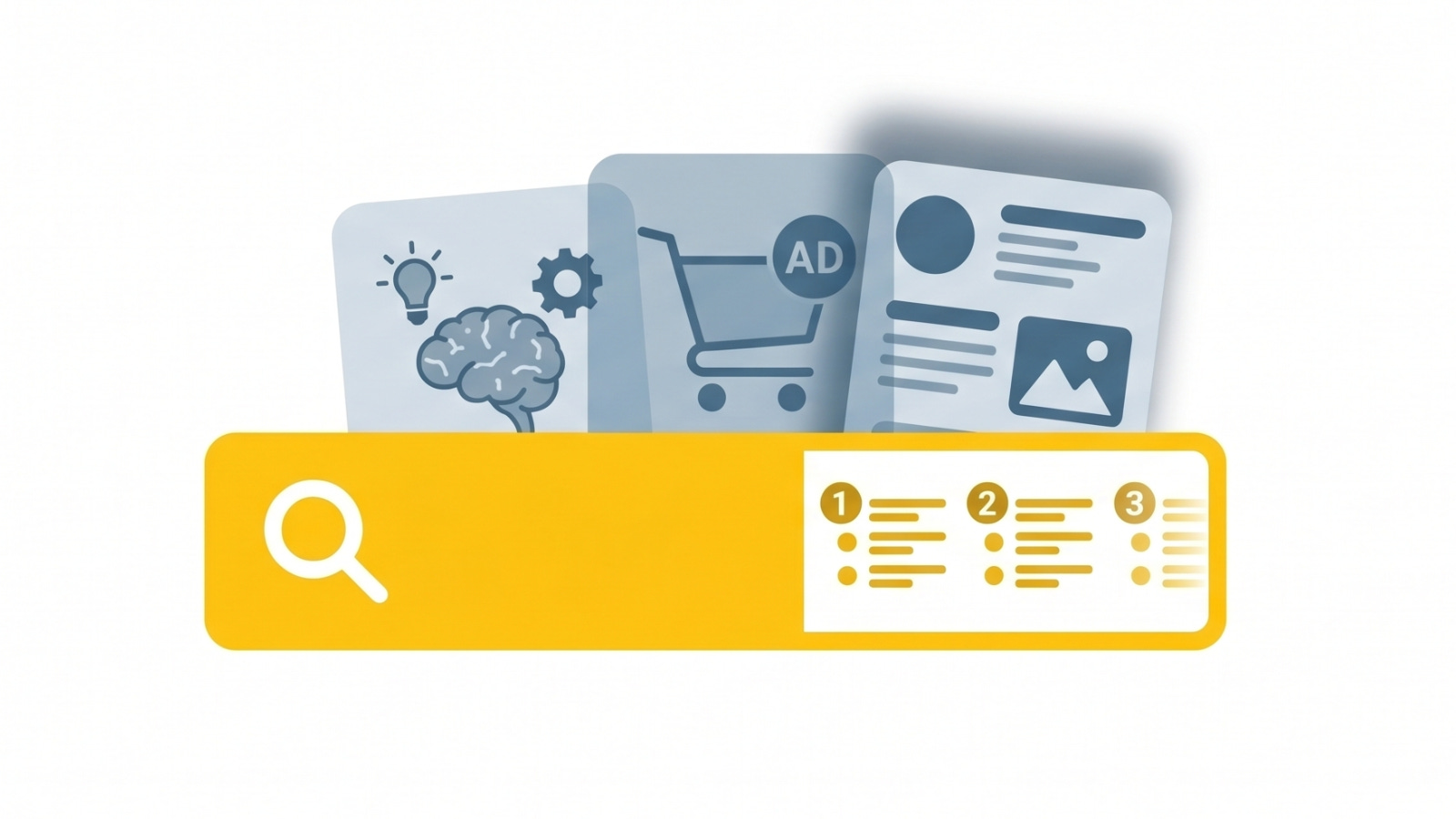
The rise of Google AI Overviews has fundamentally changed how people interact with search results. Instead of clicking through to websites, users increasingly receive answers directly on the search page. As a result, businesses that once relied on ranking in Google’s top three positions are seeing fewer clicks despite maintaining strong rankings.
The challenge is no longer simply ranking on Google. The challenge is remaining visible in a search environment where the search engine itself increasingly becomes the destination. This shift is creating a new reality for publishers, marketers, and business owners who must now think beyond traditional SEO and understand the growing importance of Generative Engine Optimization (GEO).
2. The Catalyst (What’s Happened & Why Now)
For more than two decades, the basic agreement between Google and website owners was straightforward: create useful content, rank well, and receive traffic.
That agreement is changing.
Google’s AI Overviews now provide direct answers to many informational queries before users ever reach traditional search results. Research from Pew Research Center found that users who encounter AI-generated summaries are significantly less likely to click external websites. Users clicked traditional search results in only 8% of visits when AI summaries appeared, compared to 15% when they did not.
The broader trend extends beyond AI Overviews alone. Industry studies estimate that approximately two-thirds of Google searches now end without a click to any website. These so-called “zero-click searches” continue to grow as search engines deliver answers directly within their own interfaces.
Meanwhile, multiple studies have found that AI Overviews can reduce click-through rates to top-ranking pages by between 34% and nearly 60%, depending on the query type and search environment.
This is not a temporary algorithm update. It represents a structural change in how search engines distribute attention.
3. The Case Study (The Human & Corporate Story)
Few industries have felt this shift more acutely than digital publishing.
Publishers historically invested heavily in SEO because Google traffic supported advertising revenue, subscriptions, affiliate programs, and audience growth. As AI-generated answers have expanded, many publishers report substantial declines in referral traffic despite maintaining strong search visibility.
One of the most visible examples comes from People Inc., formerly Dotdash Meredith. Speaking publicly in 2026, CEO Neil Vogel criticized Google’s growing use of publisher content within AI-powered search experiences, arguing that publishers increasingly face a difficult choice between allowing AI systems to use their content or sacrificing search visibility.
The tension highlights a broader industry dilemma.
Businesses may still appear prominently within search results, but visibility no longer guarantees visits. A company can technically “win” the ranking battle while simultaneously losing traffic, leads, and revenue opportunities because the user’s question was answered before a click became necessary.
That distinction is becoming one of the defining business challenges of the AI search era.
4. Strategic Implications & Hidden Risks
The most immediate risk is measurement confusion.
Many organizations continue evaluating search success using rankings alone. Yet rankings increasingly tell only part of the story. A business may maintain first-page visibility while experiencing declining traffic, lower lead generation, and reduced conversion opportunities.
Another hidden risk is competitive displacement.
Research suggests that AI Overviews often cite sources that do not necessarily align with Google’s traditional top search results. In other words, being ranked highly does not automatically mean being referenced within AI-generated answers.
Many organizations also underestimate how rapidly user behavior is changing. Search is evolving from a navigation system into an answer engine. Users increasingly expect immediate responses rather than lists of links. Businesses that continue treating SEO as purely a ranking exercise may find themselves optimizing for a search experience that no longer exists.
The companies best positioned for the future are recognizing that visibility, authority, and discoverability are becoming separate strategic assets.
5. The Bottom Line (Key Takeaways)
The Shift: Google is moving from a search engine toward an answer engine powered by AI-generated responses.
The Risk: Businesses can maintain strong rankings while losing traffic as more searches end without clicks.
The Strategic Priority: Leaders should monitor how AI search experiences influence visibility, traffic, and brand discovery—not just rankings.
Premium Preview
Understanding this market shift is only the first step.
Our premium subscribers have exclusive access to the full operational playbook for navigating the zero-click search economy—including a complete 90-day GEO implementation roadmap, AI visibility KPI dashboards, citation-tracking frameworks, content architecture templates, and executive reporting systems designed for the AI search era.
Upgrade to access the complete execution blueprint.
